
Guska, in partnership with Marvik, has developed an artificial intelligence platform that will enhance the startup’s work designing viruses capable of fighting cancer without harming healthy cells. This milestone makes it possible to plan and design treatment options before testing them in the laboratory.
This first operational version—known as a minimum viable product (MVP)—is a tool designed to optimize testing of potential oncolytic viruses. The system generates new viral variants based on data provided by Guska’s scientific team and prioritizes those with the greatest potential to effectively attack tumors.
“This platform doesn’t replace our science—it strengthens it. It integrates data, design criteria, and iterative learning so that each experimental validation improves our ability to design the next viral candidate,” explained Nicolás Tambucho, CEO of the startup.
“As we validate in the lab the designs currently generated by the platform, we will be building a true internal engine for the continuous creation of new assets for Guska,” Tambucho added.
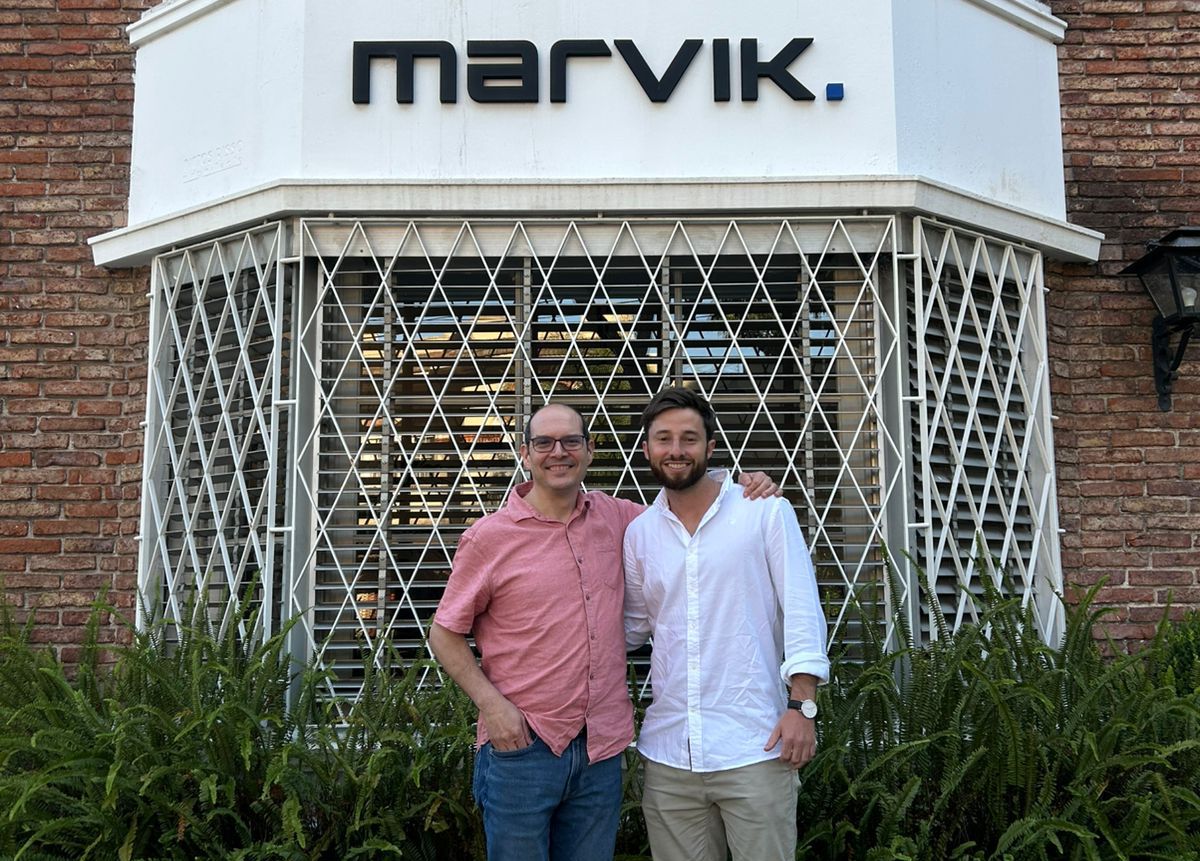
Antonio Bordería, Senior Business Advisor at Guska, led the technical development process of the platform. “We have moved beyond a predominantly experimental approach and fully entered a stage of predictive design. This MVP is not just a technical project—it marks the beginning of what we call precision virotherapy: a platform where biology and artificial intelligence continuously feed into each other,” he said.
Bordería also highlighted three key areas guiding the startup’s next steps. First, verifying in the laboratory that the platform’s predictions work in practice and using those results to further refine the system. Second, expanding the platform so that the designed viruses more effectively target tumors, interact appropriately with the immune system, and can be delivered efficiently within the body. Third, ensuring the platform is flexible enough to tailor each virus to different types of cancer, moving closer to personalized oncology medicine.